
Hi,
Hope you’ve had a wonderful weekend soaking up the last warm rays of sunshine. Big week up ahead…
I’m looking forward to returning to school (no other choice 😉)—ah, the September air! Fresh inspiration, enthusiastic students to welcome and start the year with the most innocent expressions of goodwill. This year will be the year that things will stay fresh and fantastic. It’s that healthy mix of enthusiasm and nervousness. We all feel the buzz!
As we gear up for the school year, let’s remember a few key points to ensure a smooth transition for our students and ourselves:
- Those Lost Skills Aren’t Really Gone:
As we transition back into school mode, we might notice a gap in students’ skills. But no worries, those skills aren’t lost; they just need time to resurface. Like a muscle that hasn’t been used in a while, give it time and practice. It’s normal to encounter this lag, but with patience, students will soon regain their rhythm. 💪
- Set Goals First:
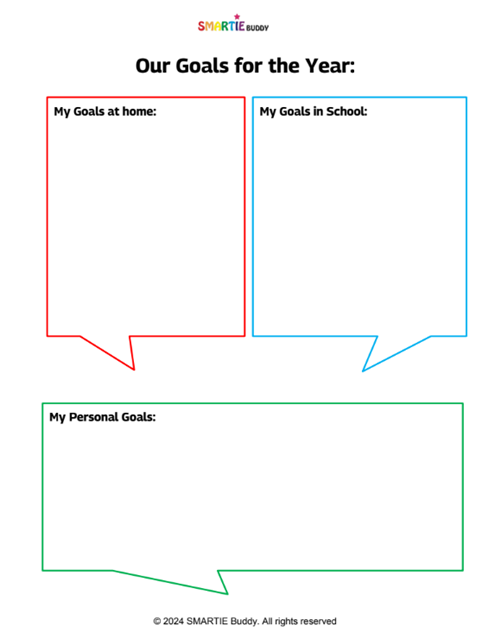
Research has proven that setting goals early on gives students a sense of direction and purpose and helps them meet the goals that have been set, instead of keeping them in some mental hard drive, tucked away and forgotten. It’s crucial to communicate the power of these goals and involve students in the goal-setting process. This creates ownership and motivation. Encourage them to aim high, yet remain realistic, setting stepping stones along the way. Here is a simple + powerful template for you to print and use with students.
- Set the Learning Tone:
The first week of class is the perfect time to establish the learning tone. This means fostering an environment where students know they have time to explore their thoughts without being rushed. Respect their contemplation by maintaining a quiet space when needed and expressing genuine excitement in hearing diverse problem-solving approaches.
- Allow time for page turning, organizing, homework details, etc. We don’t realize that our younger students give up when they feel overwhelmed and lose it.
- A simple but powerful way to achieve this is by patiently waiting for 8 quiet seconds after asking a question, allowing students the space to think deeply and focus on accuracy over speedy, impulsive, or random responses. You can do so by picking up 5 fingers slowly, as students learn to think first, then answer. As soon as the teacher’s hand is up, ready students are called upon for answers.
As we step into this new academic year, let’s keep these foundational principles in mind to support our students’ journey back to school.
Here’s to a year filled with growth, learning, and joy for everyone involved!
Rachel Gluck